Pages

Tuesday, May 14, 2013

PRESERVED RHUBARB


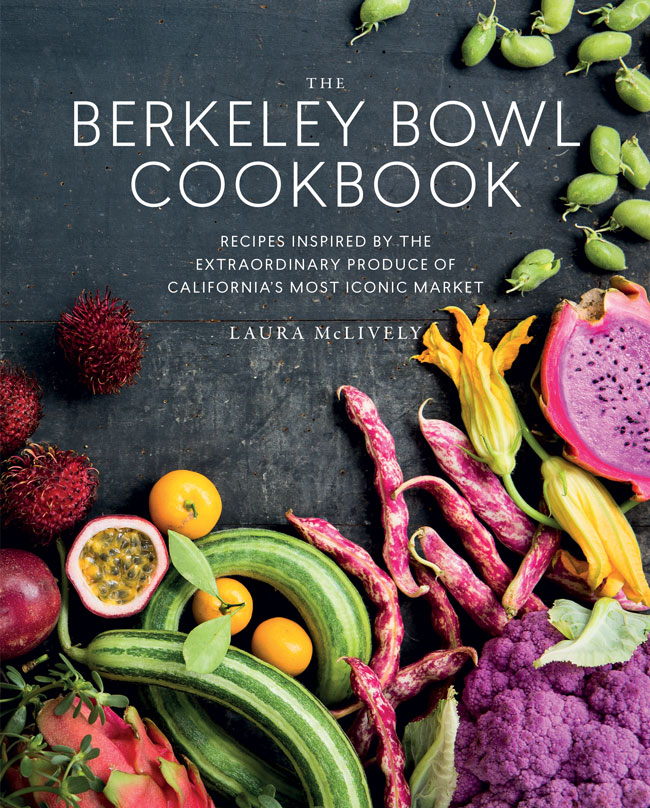
This deliciously simple rhubarb recipe is from Diane Roupe's new book Blue Ribbon Country Canning. Diane is a preserving legend, having won numerous blue and red ribbons and the Iowa State Fair - the real deal in American canning country!

Last year, I was lucky enough to shoot all the photographs for Diane's book. Working on Blue Ribbon Country Canning was an amazing creative endeavor, and so different from my own book project - I loved the challenge of honoring another author's vision through photography. After 12 months, it feels fantastic to finally touch the pages and see all the work that went into the book become a reality.

When shooting Diane's book, I fell in love with her rhubarb and knew I had to share this recipe with all of you. Diane's rhubarb maintains a wonderful tart bite while being just sweetened enough by a bit of sugar. Imagine nestling little bits of puckery ruby-hued rhubarb onto a bowl of vanilla ice cream... yum!


INGREDIENTS adapted from Diane Roupe's Blue Ribbon Country Canning
{printable recipe}

  • 2 1/4 pounds rhubarb
  • 3/4 cup granulated sugar


Trim ends from rhubarb and slice stalks into 2 inch x 1/4 inch batons. Place cut rhubarb in a large stainless stockpot or dutch oven. Toss rhubarb with sugar. Cover and let rhubarb macerate for 4 hours to release its liquid. ( I occasionally stirred the rhubarb during this maceration phase.)

After 4 hours, place pot holding the rhubarb (and all of its released liquid) onto the stove top. Turn the flame to medium-high. Stir regularly while bringing the pot to a boil. Once boiling, count to 10 and remove the pan from the heat. (If you cook the rhubarb any longer, the fibers really break down and the consistency gets soft and mushy like stewed rhubarb. The flavor and texture are still delish, just not as firm as Diane's intention.)

Using a slotting spoon, immediately place rhubarb into jars and pour liquid over the top. Seal jars. For more information on this important phase of canning, please consult Diane's book, or your favorite canning guide. Keep in mind: you can also make this recipe and store the rhubarb in clean lidded containers in the fridge. Unsealed rhubarb should be eaten within 2 weeks.

Let jars cool to room temp and rest for 12 hours.

Serve rhubarb on something sweet and creamy like vanilla ice cream...


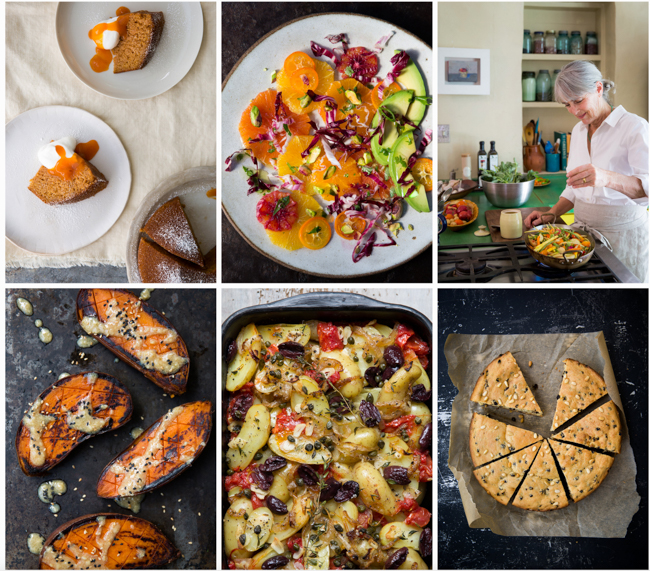
I thought you might enjoy a peek at some shots from the book...


Tuesday, April 23, 2013

ROASTED ASPARAGUS, TOASTY BREAD, SOFT BOILED EGG + CHERVIL

I cannot believe I have yet to share an asparagus recipe with you this spring! When those gorgeous spears come to market, I start buying them by the bushel, don't you? We've been scarfing down asparagus almost every day for the past few weeks.

Last Thursday, P and I went to a delicious dinner at Camino to celebrate Deborah Madison's brilliant new book, Vegetable Literacy. With Russ cooking up Madison's recipes, it was an unbeatable combination. I immediately went home and knew I needed to try my hand at one of her new recipes, and the first thing I flipped to was the asparagus section. I saw Madison's recipe for a version of the dish I'm sharing today, and I knew I had to make it pronto!


I like that Madison calls for roasting the veg - not a technique I've used for asparagus, though now I will. The roasting was easy, the asparagus tender, and the flavors delish. Instead of hard boiling the egg as per the recipe, I craved the oozy yolk of a soft boiled egg and oh man was that a good move. The mustard vinaigrette mingles with the yolk and all come together to coat the asparagus and toasty bread. I'm a fan.

I ate this asparagus salad for breakfast, but that's just me. I think the salad would make a fantastic lunch, brunch, or light supper.

INGREDIENTS  
inspired by Deborah Madison's Vegetable Literacy, originally from Amelia Saltsman in What We Eat When We Eat Alone
{printable recipe}

Preheat oven to 400.

Trim tough ends from asparagus spears. Lay the spears in a roasting dish, or on a baking sheet. Toss asparagus with 2 teaspoons olive oil, and season with salt and fresh ground black pepper.

Roast asparagus in the hot oven for 10 minutes. Take the pan from the oven, give it a good shake, and roast another 10-20 minutes until spears are tender, and cooked through.

In the meantime, put a small saucepan with water on the stove top to cook your soft boiled eggs. See the rest of the instructions here.

Tear bread into large, rough pieces. Place torn bread onto another baking sheet or roasting pan. Toss with a teaspoon of olive oil and a sprinkling of salt. Place bread in the oven  5-10 minutes, until golden.

Whisk together mustard, vinegar and a pinch of salt. Then whisk in just enough olive oil for a nice emulsified dressing.

Assemble the salad by scattering the roasted asparagus and croutons on a plate. Nestle an egg or two on top. Drizzle on some dressing. Toss on a few sprigs of chervil. Break open those eggs and let all the wonderful flavors mingle.

I love this salad!

There are so many wonderful asparagus recipes floating around these days... Here are a few goodies:


Tuesday, April 2, 2013

IRRESISTIBLE GREEN POZOLE


Do any of you cook with hominy?

Last year, when I saw a bag of Rancho Gordo hominy at my local butcher shop, I couldn't resist snatching it up. I had never cooked with hominy before and I wasn't sure what I was going to do with it - an impulse buy you could say.  Some weeks later I was thumbing through the Ruth Reichl's Gourmet Today cookbook and found her recipe for Pozole, a wonderful Mexican stew packed with chicken, hominy, tomatillos and topped with lime, avocado, radish and cilantro. Bingo! Now my hominy had a purpose.

Well I have to tell you, that pozole was good - irresistibly good - and I knew I wanted to share it with you guys. Finally, here I am.

As you have probably noticed, I tend to favor recipes that are simple and quick to make, not fussing too much with the natural deliciousness of good ingredients. As I am in the thick of recipe testing feedback for my book ( thank you wonderful testers!), one of my favorite compliments is that the recipes are surprisingly easy. This makes me happy. That said, this pozole recipe is kinda time consuming and makes for a ton of dishes, but it's so worth the effort. And when you're done, you have this amazing one-bowl meal that is deeply satisfying and delish!

As a little side note... I wanted to give a shout out to Kimberley Hasselbrink, the talented cook and photographer behind The Year in Food. I got to meet Kimberley in person last week when she graciously invited me for lunch. She cooked up a few really tasty items from her upcoming book to be published by Ten Speed next year. If those bites were any indication, her book will be as delicious as her blog. I cannot wait to cook from it!


If you are going to prepare your own hominy, and not use the canned stuff, allow yourself soaking and cooking time before you get set to make the pozole. I suggest soaking your hominy the night before you want to cook. Then cook the hominy a few hours before getting started on making the rest of your pozole.


INGREDIENTS very slightly adapted from Ruth Reichl's Gourmet Today
      {printable recipe}

  • two 15 ounce cans cooked hominy, or 4 cups home-cooked hominy (8 ounces dry will yield approximately 4 cups)
  • 1 large white onion, sliced thin lengthwise
  • 6 cloves garlic, peeled and chopped
  • bay leaf
  • salt
  • 3 pounds skinless boneless chicken thighs (I'm sure you could also use breast meat, but I don't think the resulting broth would be as flavorful)
  • 1/2 cup pepitas
  • 1 pound tomatillos, husks removed and rinsed with warm water
  • 1 -2 bunches fresh cilantro
  • 1 teaspoon dried epazote or dried oregano
  • 2 tablespoons canola oil

Delicious Garnishes:
  • avocados, chopped and tossed with salt and lime juice
  • radishes, chopped
  • small white onion, chopped
  • additional chopped cilantro
  • lots of limes
  • more epazote, or crushed oregano


As I mentioned above, if you are using dried hominy, it needs to be soaked and cooked before you can make the pozole. I followed the instructions on the package.

In a stockpot, bring 8 cups of water to a boil.  Add 1/2 sliced onion, 3 cloves garlic, bay, and a teaspoon of salt to the pot. Cover the pot, and simmer for 10 minutes.

Next, add the whole chicken thighs to the pot. Skim off any foam that forms. Simmer very gently, uncovered, for 20 minutes, or until the chicken is cooked through. Use kitchen tongs to remove the chicken and set it on a platter to cool. Strain the broth and set it aside for later. When the chicken is cool enough to handle, shred it with your fingers and set aside.

Grind pepitas in a spice grinder or coffee grinder. ( I think it's brilliant that this recipe uses these ground pepitas for a thickener for the stew.) Set aside.

In a large saucepan, heat 3 cups water with remaining 1/2 onion and tomatillos over high heat. Bring to a boil, then simmer covered for 10 minutes, until veggies are tender. Discard the cooking liquid and place the cooked tomatillos and onions into a standing blender along with 1/4 cup cilantro, 3 more cloves garlic, epazote, and 1.5 teaspoons salt. Blend thoroughly.

Heat canola oil in a large stock pot or dutch oven over medium-high heat. Add the pureed veg to the hot pan - be careful as it will be splattery. Cook the sauce uncovered, stirring regularly until it thickens - about 10 minutes. Add the ground pepitas and 1 cup of the broth reserved from cooking the chicken, stir and cook another 5 minutes.

Finally add the shredded chicken, cooked hominy, and 3 cups of reserved broth to the pot. Simmer partially covered for 20 minutes. Stir in 1/2 cup chopped cilantro. Season with additional salt to taste - though keep in mind that adding freshly squeeze lime to soup will add a nice punch.

Scoop warm pozole into low bowls and serve with all the wonderful garnishes. Damn, that's good.

serves 6

.......................................

I don't know about you, but I'm THRILLED spring is here. We've been buying ranunculus at Monterey Market lately. I'm so happy to see that organic flowers are finally starting to be more readily available. It's about time!

Related Posts with Thumbnails